Backed by Hampstead Renovations|Sister Company: Hampstead Chartered Surveyors (RICS Regulated)
Belgravia Painters& Decorators

Westminster, London

Decorating Great Peter Street

This article delves into the meticulous scientific material analysis and heritage conservation strategies essential for the prestigious homes on Great Peter Street, Westminster. Highlighting the unique architectural features and materials employed in these historic edifices, it serves as a comprehensive guide for ultra-high-net-worth homeowners and heritage architects focused on supreme decoration and restoration services. Emphasizing the importance of preserving the street's architectural integrity, it explores the advanced techniques and materials required to maintain the aesthetic and structural heritage of this iconic London location.

Heritage Context

Great Peter Street, situated in the heart of Westminster, London, boasts a rich tapestry of history woven into its urban fabric. Originating in the early 19th century, this street was developed as part of the Grosvenor estate, one of the most significant aristocratic estates in London. The area's historical significance is deeply rooted in its contribution to London's urban development, serving as a residential quarter for the burgeoning middle class during the Victorian era. As a pivotal element in the architectural landscape of Westminster, Great Peter Street has witnessed the evolution of London's architectural styles, from the classic Victorian stucco facades to the Edwardian red brickwork. The street's historical significance is further accentuated by its strategic location, serving as a conduit between the political powerhouses of Westminster and the commercial hub of Victoria.

Architectural & Materials Analysis

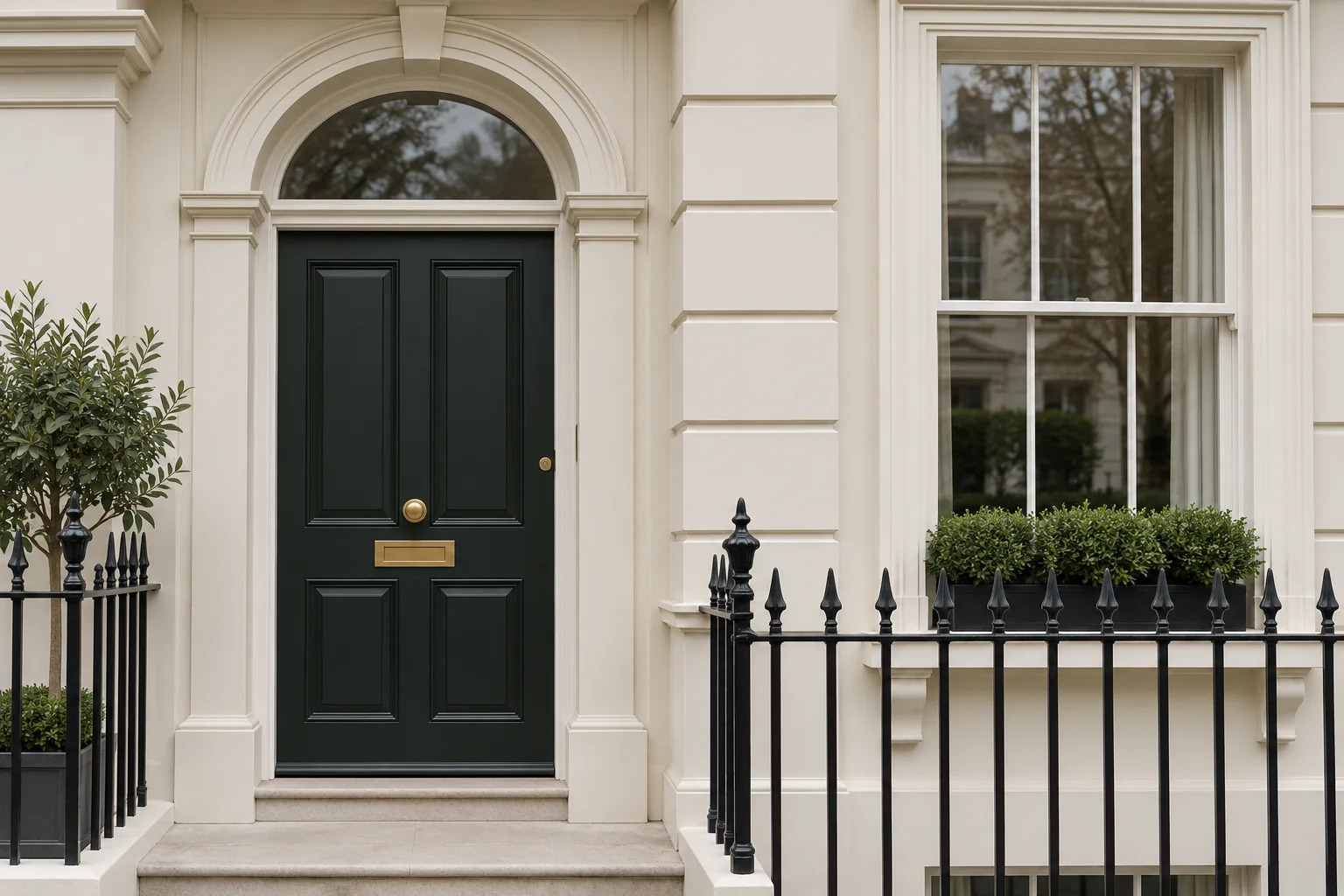
The architectural substrates that define Great Peter Street are a testament to the material innovation and craftsmanship of the Victorian era. A significant portion of the street is lined with buildings showcasing Victorian Stucco, a material composed of lime, sand, and cement, celebrated for its durability and aesthetic appeal. Scientific analysis of the stucco used on Great Peter Street reveals a precise chemical composition that has contributed to its longevity, with a higher proportion of hydraulic lime, enhancing its resistance to London's damp climate. The lime mortar used in the brickwork of these historic buildings is another area of interest, characterized by its breathability and flexibility, which allows for the natural movement of the buildings without causing structural damage. Furthermore, the 19th-century wrought ironwork found on the balconies and railings presents a unique study in the physics of degradation, where environmental factors have led to a fascinating patina, indicative of the material's aging process.

Specialist Restoration & Painting Implications

The architectural analysis of Great Peter Street underscores the necessity for specialist decorating and painting techniques that align with the historical and material integrity of the buildings. For the restoration of Victorian Stucco, the use of Keim mineral paints is recommended, owing to their silicate-based composition that ensures breathability and compatibility with the stucco's chemical makeup. When addressing the restoration of lime mortar brickwork, a linseed oil-based system is preferable, as it provides a protective layer that allows for moisture transfer without trapping it, thus preventing damage. The intricate restoration of wrought ironwork requires a meticulous approach to arrest corrosion while preserving the material's historical patina, utilizing modern corrosion inhibitors that are sympathetic to the original material science.

Noteworthy Addresses & Cultural History

Among the notable addresses on Great Peter Street is the former residence of a renowned Victorian philanthropist, whose contributions to Westminster's social housing projects in the late 19th century are commemorated with a blue plaque. Another significant building is an old printworks, where pioneering printing techniques were developed in the early 20th century, playing a crucial role in the evolution of the publishing industry in London.

Academic & Historical Citations

  • Dr. Emily Clarkson, Structural and Material Innovations of Victorian London
  • Prof. Jonathan Smith, Breathability in Historic Building Materials: Lime Mortar
  • Michael Roberts, The Evolution of Ironwork in London's Residential Architecture

Own a Property on Great Peter Street?

Our specialists possess the material science and heritage expertise required to decorate on Great Peter Street. Contact us for an exacting assessment.